How Podiatrists Treat Pressure Injuries on the Feet

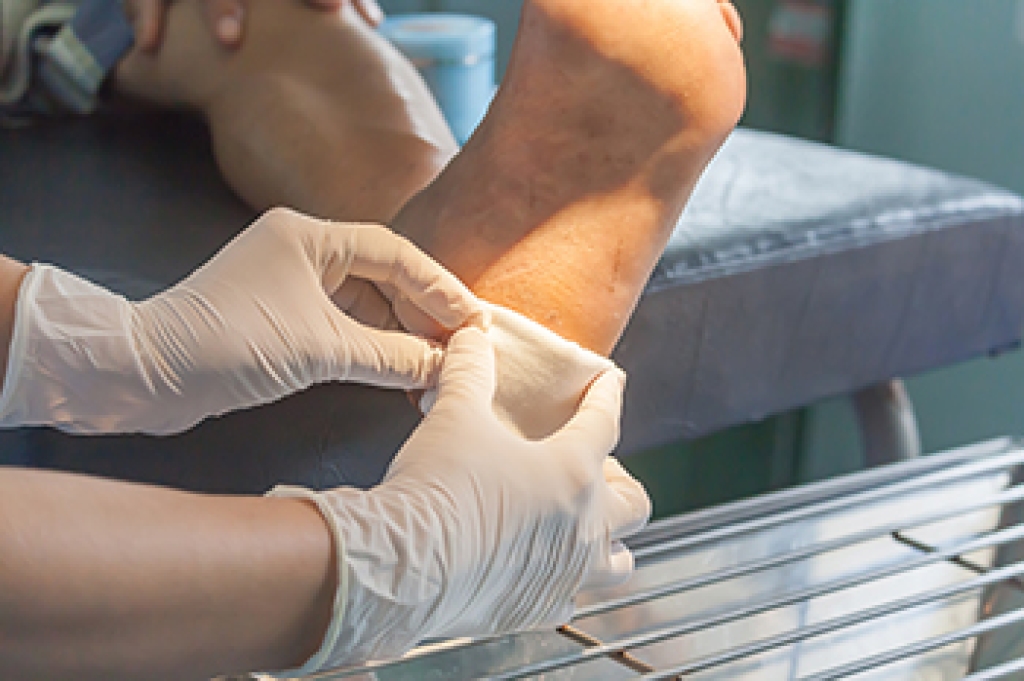
Foot wounds require attention because a small wound can become a health concern. Pressure injuries on the feet develop when pressure limits the flow of oxygen and nutrients to the skin and deeper tissues. They are more likely in patients who spend long periods in a bed or chair, have limited movement, or are weakened by illness. Bony areas of the foot are vulnerable because tissue can become trapped between bone and a firm surface. Diabetes, poor circulation, and reduced feeling can raise the risk and make a wound harder to notice.

Several forces can contribute to skin damage. Shearing happens when the skin stays in place while deeper tissue shifts, as when a patient slides down in a bed or chair. This movement squeezes blood vessels and becomes more damaging when combined with pressure. Friction from rubbing can weaken the skin, although friction alone does not cause a pressure injury. Excess moisture can also make skin fragile and more likely to break down. Poor nutrition slows the repair of damaged cells. Weight loss can reduce the natural padding that protects the bones of the feet.

A podiatrist can examine the wound, measure its depth, and check skin for infection. The evaluation also includes testing circulation and sensation in the feet. Treatment can include cleaning the wound, removing damaged tissue, and applying a protective dressing. A podiatrist can reduce pressure on the affected area with padding, special shoes, or a custom device. Follow-up visits allow the podiatrist to track healing and adjust the treatment plan. Patients should seek prompt care for spreading redness, increasing swelling, or drainage. Fever, darkened tissue, or a bad odor can signal a serious problem. Early podiatric care can lower the risk of infection, deeper tissue damage, and limb loss. If you have symptoms of pressure injuries on the feet, it is suggested that you schedule an appointment with a podiatrist for a diagnosis and appropriate treatment.

Wound care is an important part in dealing with diabetes. If you have diabetes and a foot wound or would like more information about wound care for diabetics, consult with Josef Elouze, DPM from Elite Podiatry. Our doctors will assess your condition and provide you with quality foot and ankle treatment.

What Is Wound Care?

Wound care is the practice of taking proper care of a wound. This can range from the smallest to the largest of wounds. While everyone can benefit from proper wound care, it is much more important for diabetics. Diabetics often suffer from poor blood circulation which causes wounds to heal much slower than they would in a non-diabetic. 

What Is the Importance of Wound Care?

While it may not seem apparent with small ulcers on the foot, for diabetics, any size ulcer can become infected. Diabetics often also suffer from neuropathy, or nerve loss. This means they might not even feel when they have an ulcer on their foot. If the wound becomes severely infected, amputation may be necessary. Therefore, it is of the upmost importance to properly care for any and all foot wounds.

How to Care for Wounds

The best way to care for foot wounds is to prevent them. For diabetics, this means daily inspections of the feet for any signs of abnormalities or ulcers. It is also recommended to see a podiatrist several times a year for a foot inspection. If you do have an ulcer, run the wound under water to clear dirt from the wound; then apply antibiotic ointment to the wound and cover with a bandage. Bandages should be changed daily and keeping pressure off the wound is smart. It is advised to see a podiatrist, who can keep an eye on it.

If you have any questions please contact our office located in (Holiday City) Toms River, NJ . We offer the newest diagnostic and treatment technologies for all your foot and ankle needs.
Read more about Wound Care

Comparing Symptoms of Gout and Bunions

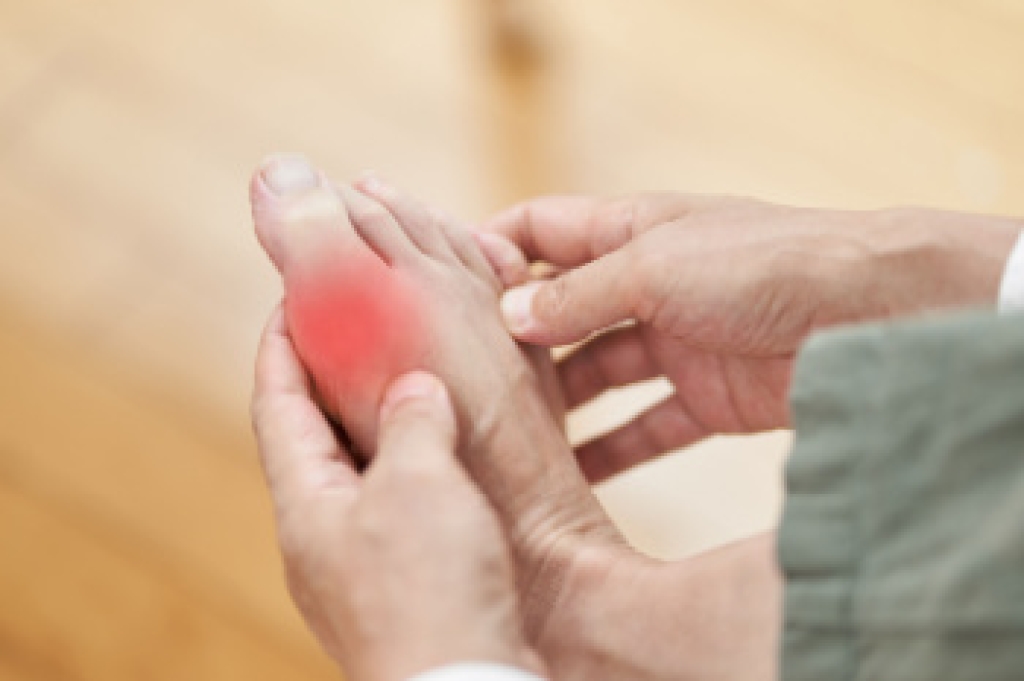
Gout is a form of inflammatory arthritis caused by uric acid crystals collecting inside a joint. It commonly targets the big toe, where an attack can cause sudden, intense pain. Gout attacks can begin at night, when cooler temperatures may encourage crystal formation in the extremities. Symptoms often develop quickly and can make walking or wearing shoes uncomfortable.

Gout develops when uric acid levels become too high and crystals form within a joint. Risk factors include family history, obesity, and diets high in purine-rich foods. Certain medications and alcohol use can raise uric acid levels. The big toe is especially vulnerable because it is one of the coolest joints in the body. Temperature changes can encourage uric acid crystals to collect there, triggering painful inflammation.


A bunion can affect the big toe, but it is different from gout. A bunion is a structural deformity where the big toe moves toward the other toes while the joint becomes prominent. Gout usually causes sudden attacks rather than a slowly developing bump. A podiatrist examines the foot and reviews your symptoms and health history. Blood tests or joint fluid testing may help confirm gout. Treatment may include medications, footwear changes, and strategies that reduce pressure during an attack.


Getting the correct diagnosis matters because gout and bunions require different treatment approaches. A podiatrist can help manage a gout attack and identify factors that may contribute to repeated episodes. Seek podiatric care when big toe pain appears suddenly or keeps returning, especially at night. If you have symptoms of gout, it is suggested that you are under the care of a podiatrist who can help you to manage this often debilitating condition.

Gout is a painful condition that can be treated. If you are seeking treatment, contact Josef Elouze, DPM from Elite Podiatry. Our doctors will treat your foot and ankle needs.

What Is Gout?

Gout is a form of arthritis that is characterized by sudden, severe attacks of pain, redness, and tenderness in the joints. The condition usually affects the joint at the base of the big toe. A gout attack can occur at any random time, such as the middle of the night while you are asleep.

Symptoms

  • Intense Joint Pain - Usually around the large joint of your big toe, and it most severe within the first four to twelve hours
  • Lingering Discomfort - Joint discomfort may last from a few days to a few weeks
  • Inflammation and Redness -Affected joints may become swollen, tender, warm and red
  • Limited Range of Motion - May experience a decrease in joint mobility

Risk Factors

  • Genetics - If family members have gout, you’re more likely to have it
  • Medications - Diuretic medications can raise uric acid levels
  • Gender/Age - Gout is more common in men until the age of 60. It is believed that estrogen protects women until that point
  • Diet - Eating red meat and shellfish increases your risk
  • Alcohol - Having more than two alcoholic drinks per day increases your risk
  • Obesity - Obese people are at a higher risk for gout

Prior to visiting your podiatrist to receive treatment for gout, there are a few things you should do beforehand. If you have gout you should write down your symptoms--including when they started and how often you experience them, important medical information you may have, and any questions you may have. Writing down these three things will help your podiatrist in assessing your specific situation so that he or she may provide the best route of treatment for you.

If you have any questions, please feel free to contact our office located in (Holiday City) Toms River, NJ . We offer the newest diagnostic and treatment technologies for all your foot care needs.

Read more about Gout

Sever’s Disease Can Cause Heel Pain in Active Children

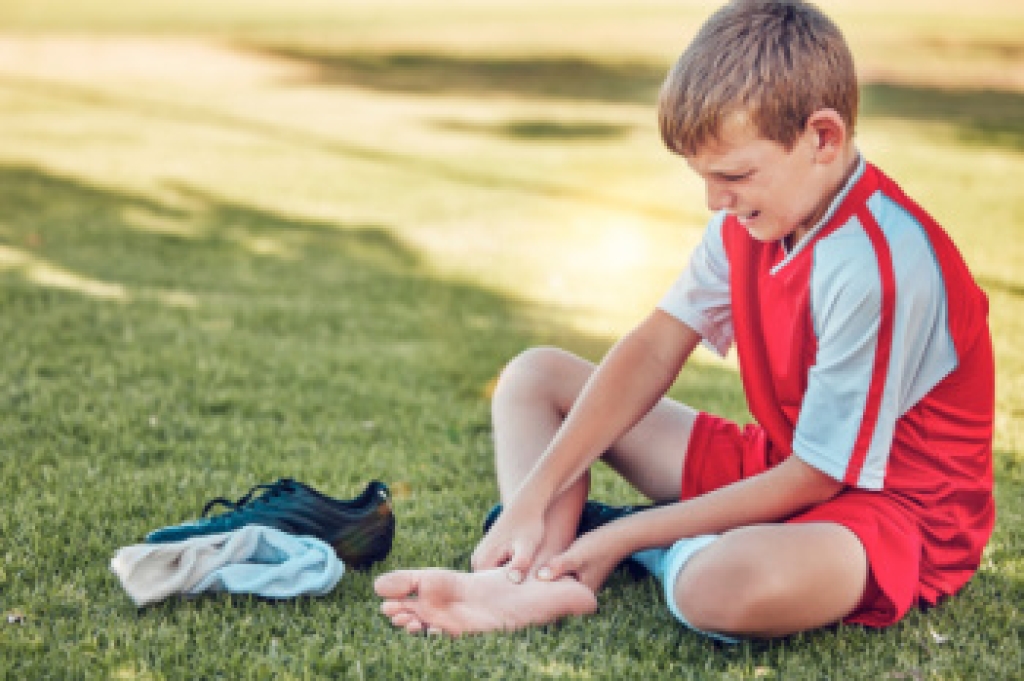
Sever’s disease causes heel pain in growing children, especially those who run or jump in sports. Despite its name, it is not an illness or disease. It is irritation and swelling at the growth plate in the heel bone. A growth plate is developing tissue where a child’s bone grows. During a growth spurt, the heel bone can grow faster than nearby muscles and tendons. The Achilles tendon then pulls tightly against the growth plate. Repeated activity can make the area sore. The problem usually develops between ages nine and 14, and does not cause lasting damage after the growth plate matures.

A child with Sever’s disease can feel pain or tenderness in one or both heels. The heel can also become swollen, red, or stiff after waking. Some children limp or walk on their toes to avoid pressure. A podiatrist asks about the child’s sports, growth, and symptoms. The podiatrist also examines the foot and gently presses the sides of the heel. X-rays do not show Sever’s disease, but the podiatrist can order them to rule out a fracture or another cause of pain.

Treatment aims to reduce strain on the growth plate and help the heel recover. A podiatrist can recommend changes to activities based on the child’s pain. This foot doctor can also check whether the child’s shoes fit correctly and provide enough cushioning and support. Heel cups or custom shoe inserts can reduce pressure and improve foot position. For severe pain, the podiatrist can prescribe a walking boot or a short cast to limit heel movement. Children should return to sports only when activity no longer causes pain. Sever’s disease usually clears as the heel finishes growing. If your active child complains of heel pain, it is suggested that you schedule an appointment with a podiatrist who can accurately diagnose and offer relief tips for Sever’s disease.

Sever's disease often occurs in children and teens. If your child is experiencing foot or ankle pain, see Josef Elouze, DPM from Elite Podiatry. Our doctors can treat your child’s foot and ankle needs.

Sever’s Disease

Sever’s disease is also known as calcaneal apophysitis, which is a medical condition that causes heel pain I none or both feet. The disease is known to affect children between the ages of 8 and 14.

Sever’s disease occurs when part of the child’s heel known as the growth plate (calcaneal epiphysis) is attached to the Achilles tendon. This area can suffer injury when the muscles and tendons of the growing foot do not keep pace with bone growth. Therefore, the constant pain which one experiences at the back of the heel will make the child unable to put any weight on the heel. The child is then forced to walk on their toes.

Symptoms

Acute pain – Pain associated with Sever’s disease is usually felt in the heel when the child engages in physical activity such as walking, jumping and or running.

Highly active – Children who are very active are among the most susceptible in experiencing Sever’s disease, because of the stress and tension placed on their feet.

If you have any questions, please feel free to contact our office located in (Holiday City) Toms River, NJ . We offer the newest diagnostic and treatment technologies for all your foot care needs.

Read more about Sever's Disease

Are You Suffering From Ingrown Toenails?

If left untreated, an ingrown toenail can lead to more serious concerns, such as an infection. Knowing proper nail care can help in the prevention of an ingrown toenail. Give us a call, and get treated!

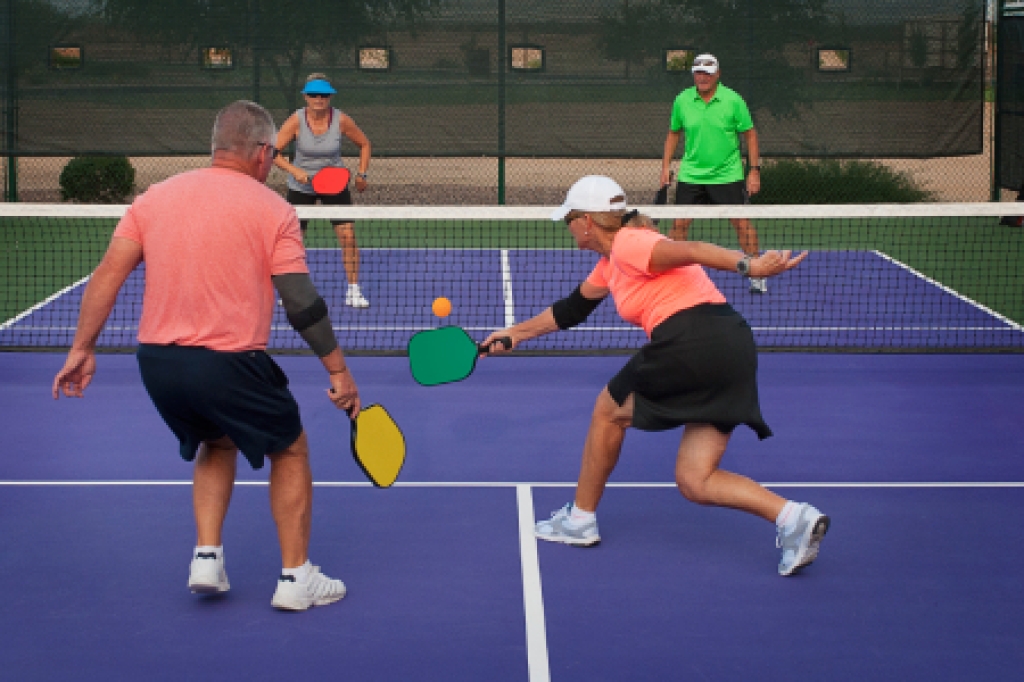
How Pickleball Can Injure the Feet and Ankles

Pickleball combines quick starts, sudden stops, and sharp changes in direction on a hard court. These movements place heavy stress on the feet and ankles. An ankle sprain can occur when the joint rolls and stretches or tears its supporting ligaments. Other injuries related to pickleball include plantar fasciitis, Achilles tendon tears, and stress fractures. Plantar fasciitis causes pain where the thick band beneath the foot becomes irritated. Repeated impact can also lead to heel pain or pain in the ball of the foot. Poor balance, fatigue, and shoes that lack proper support can raise the risk of injury.

Symptoms vary with the injured area and damage. An ankle sprain can cause pain, swelling, and bruising. Achilles tendon trouble can produce stiffness above the heel and pain when pushing off. A stress fracture can cause focused pain that grows worse with activity, while plantar fasciitis usually creates sharp heel pain after rest. Sudden inability to bear weight, a visible change in shape, or a popping sound requires prompt attention. Continuing to play through pain can worsen an injury and change the way a player moves. This can strain the opposite foot and legs.

A podiatrist can examine the painful area, test joint movement, and evaluate foot mechanics. X-rays can reveal broken bones or changes in joint alignment. Other imaging can help identify damage to tendons, ligaments, or soft tissue. Treatment depends on the diagnosis and the demands placed on the foot. A podiatrist can provide immobilization, bracing, or custom orthotics to protect the injured area and improve support. The podiatrist can also recommend court shoes with proper cushioning and side-to-side stability. For serious injuries, the treatment plan can include surgery. Evaluation guides a safe return to pickleball. If you have sustained a foot or ankle injury from playing pickleball, it is suggested that you schedule an appointment with a podiatrist for a diagnosis and appropriate treatment.

Ankle and foot injuries are common among athletes and in many sports. They can be caused by several problems and may be potentially serious. If you are feeling pain or think you were injured in a sporting event or when exercising, consult with Josef Elouze, DPM from Elite Podiatry. Our doctors will assess your condition and provide you with quality foot and ankle treatment.

Common Injuries

The most common injuries that occur in sporting activities include:

  • Achilles Tendonitis
  • Achilles Tendon Rupture
  • Ankle Sprains
  • Broken Foot
  • Plantar Fasciitis
  • Stress Fractures
  • Turf Toe

Symptoms

Symptoms vary depending upon the injury and in some cases, there may be no symptoms at all. However, in most cases, some form of symptom is experienced. Pain, aching, burning, bruising, tenderness, tightness or stiffness, sensation loss, difficulty moving, and swelling are the most common symptoms.

Treatment

Just as symptoms vary depending upon the injury, so do treatment options. A common treatment method is known as the RICE method. This method involves rest, applying ice, compression and elevating the afflicted foot or ankle. If the injury appears to be more serious, surgery might be required, such as arthroscopic or reconstructive surgery. Lastly, rehabilitation or therapy might be needed to gain full functionality in the afflicted area. Any discomfort experienced by an athlete must be evaluated by a licensed, reputable medical professional.  

If you have any questions please contact our office located in (Holiday City) Toms River, NJ . We offer the newest diagnostic and treatment technologies for all your foot and ankle needs.

Read more about Sports Related Foot and Ankle Injuries

Connect With Us

Advanced Podiatric Procedures & Services in the Toms River, Lakewood, Brick Township, Berkeley Township, Manchester Township, Lacey Township, Barnegat Township, Stafford Township, Jackson Township, Howell Township, NJ areas